Mindfulness and Stress Relief at Sense Spa
Stress triggers a predictable cascade in the body and mind: the autonomic nervous system shifts to fight-or-flight, cortisol and adrenaline rise, breathing becomes shallow, and attention narrows. Sense Spa translates decades of clinical research into practical, repeatable practices that reduce autonomic arousal, restore heart rate variability, and rebuild attentional control. The result is measurable reductions in perceived stress, improved sleep, and greater capacity for emotional regulation.
Stress physiology, psychological impact, and evidence base for mindfulness
Acute stress mobilizes glucose and increases heart rate for short term adaptation. Chronic activation, however, dysregulates the hypothalamic pituitary adrenal axis, impairs immune response, and is associated with disturbed sleep and higher risk of persistent anxiety and depressive symptoms. Psychological effects include hypervigilance, rumination, and cognitive narrowing that interfere with decision making and relationships. Landmark clinical work beginning with Kabat Zinn in 1990 established mindfulness based stress reduction as a reproducible protocol. A 2014 meta analysis in JAMA Internal Medicine found moderate evidence that mindfulness training reduces anxiety and depression symptoms across clinical and nonclinical populations. Later meta-analyses link regular practice to improved attention and lower inflammatory markers. Sense Spa prioritizes interventions shown in randomized trials while adapting intensity and duration to individual needs.
Core breathing methods adapted for treatments
Breath practice produces rapid changes in autonomic state and is ideal for both stand‑alone sessions and as an integrated part of bodywork. Below are core methods used in treatment plans, with guidance on cadence, typical duration, and contraindications. Text precedes and follows the grid to provide context and application notes.
The next grid compares commonly taught breathing protocols and practical use cases for spa sessions and home practice.
| Technique | Typical cadence | Session timing | Primary physiologic effect | Contraindications |
|---|---|---|---|---|
| Diaphragmatic belly breathing | 6–10 breaths per minute, deep abdominal expansion | 5–15 minutes | Increases vagal tone, reduces accessory muscle use | Recent abdominal surgery, uncontrolled reflux |
| Box breathing | 4 counts inhale, 4 counts hold, 4 counts exhale, 4 counts hold | 2–10 minutes | Stabilizes attention, reduces scattered breathing | Severe COPD without medical clearance |
| 4-7-8 breathing | Inhale 4, hold 7, exhale 8 | 2–5 minutes, bedtime use | Parasympathetic activation, aids sleep onset | Pregnancy or cardiac arrhythmia without clearance |
| Resonant/coherent breathing | ~5 breaths per minute, equal inhale/exhale | 10–20 minutes | Maximizes heart rate variability and baroreflex sensitivity | Low blood pressure tendencies |
After initial guided practice in the treatment room, clients receive clear pacing cues and a short home audio to support daily repetition. Practitioners monitor comfort and respiratory effort and adjust lengths for safety.
Body focused practices integrated with hands-on care
Body awareness reduces somatic tension and interrupts conditioned stress patterns. Progressive muscle release is paired with massage to accelerate relaxation of hypertonic segments. Full body awareness meditations improve interoceptive accuracy and reduce fear responses in chronic pain. Gentle, therapeutic movement and mindful stretching are incorporated into post-treatment routines to extend tissue mobility gains. Grounding techniques anchor attention to present sensory data, reducing dissociation during trauma sensitive work. All practices are modified for orthopedic limits and cardiovascular restrictions; intake protocols screen for relevant contraindications.
Movement, senses, and daily rituals that build resilience
Mindful motion supports sustained neuroplastic change. Walking with focused attention to footfall and breath restores baseline attention and is an accessible home practice clinicians recommend between sessions. Low intensity systems such as tai chi and qigong are taught at beginner level to improve balance, proprioception, and parasympathetic tone. Sensory anchoring exercises use listening, touch, smell, and taste to shift attention from threat narratives into the felt environment. Practical routines include a morning centering sequence of breath and three gentle stretches, commuting cues to reset attention before work, and a wind‑down ritual combining bath, 8‑minute body scan, and consistent sleep time to improve sleep hygiene.
Fast resets and emotional regulation tools for daily life
Short practices provide immediate regulatory benefit when time is constrained. Single intentional breaths can interrupt escalation. Micro meditations of 30–60 seconds restore clarity before difficult conversations. For stronger emotional distress, clinicians use the RAIN approach to first pause and then move through recognition, allowance, investigation, and nurturing steps. Labeling emotions aloud reduces amygdala reactivity in neuroimaging studies. Loving kindness practices increase positive affect and social connectedness when practiced repeatedly over weeks.
Building long term practice and measuring change
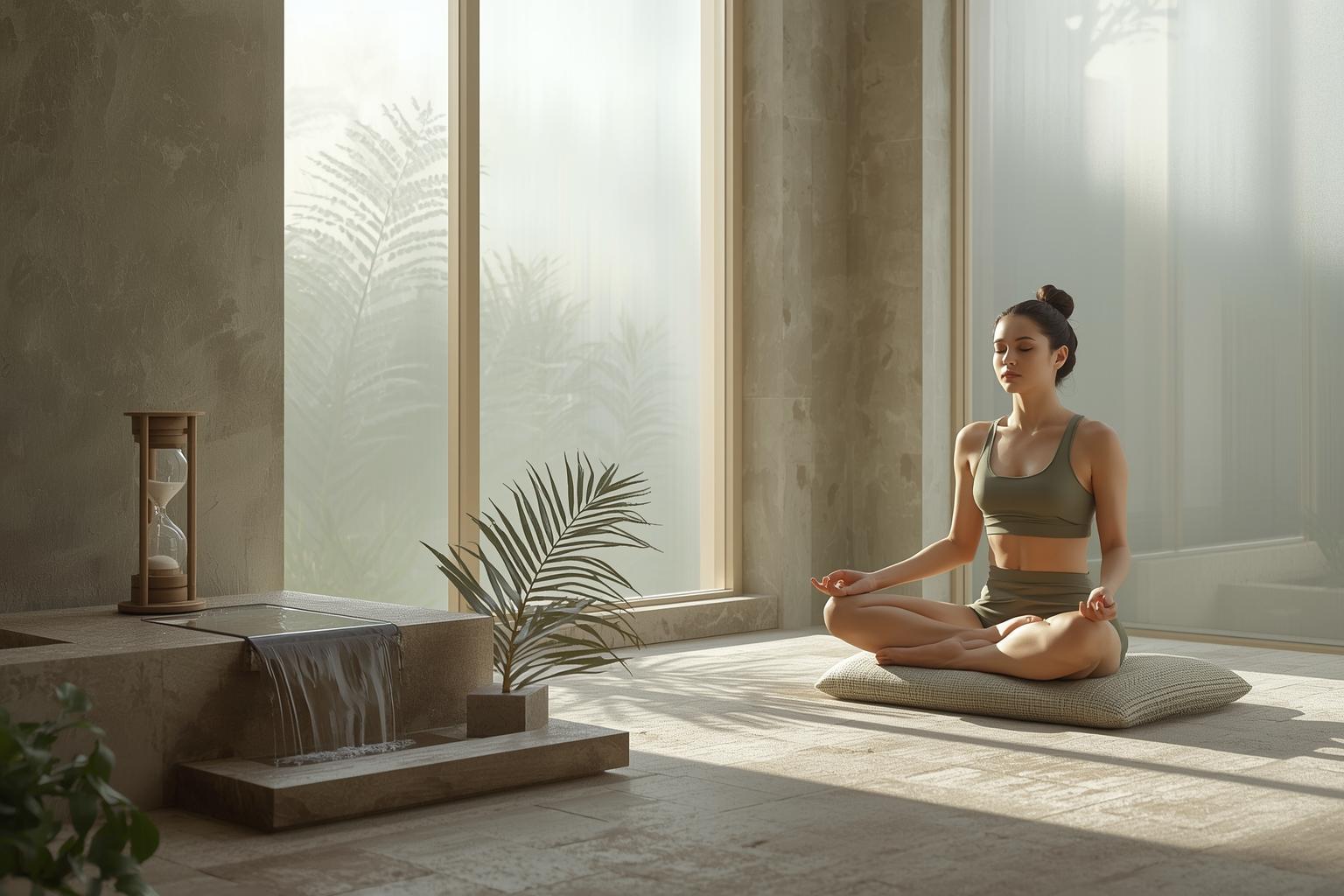
Sustainable practice requires realistic targets, environmental supports, and simple tracking. Sense Spa recommends starting with 10 minutes daily for six weeks, then adapting frequency. Habit stacking attaches short practices to established routines, such as three diaphragmatic breaths upon waking and a brief body scan after showering. Progress is tracked with weekly self reports on sleep quality, stress reactivity, and a simple daily mood score. When symptoms persist or escalate despite consistent practice, referral pathways to licensed therapists and medical evaluation are provided. Mindfulness complements but does not replace psychotherapy or medical treatment for severe mood disorders, active suicidality, or untreated psychosis.
Resources, training, and spa specific applications
Evidence based apps used in client programs include Calm, Headspace, and Insight Timer for unguided practice support. Key texts available in the treatment library include Jon Kabat Zinn’s foundational work and curriculum based manuals for instructors. Sense Spa offers structured group sessions, one on one breathwork, and weekend restorative retreats led by certified instructors and licensed massage therapists with additional training in trauma informed care. Practitioner profiles detail accreditation, hours of supervised teaching, and continuing education to help clients choose an appropriate level of support.
Clinical studies, clinician training, and careful intake protocols guide every offering. Sense Spa’s emphasis rests on safety, measurable outcomes, and practical tools that integrate into daily life to lower physiologic stress, strengthen emotional regulation, and support long term wellbeing.